 Housing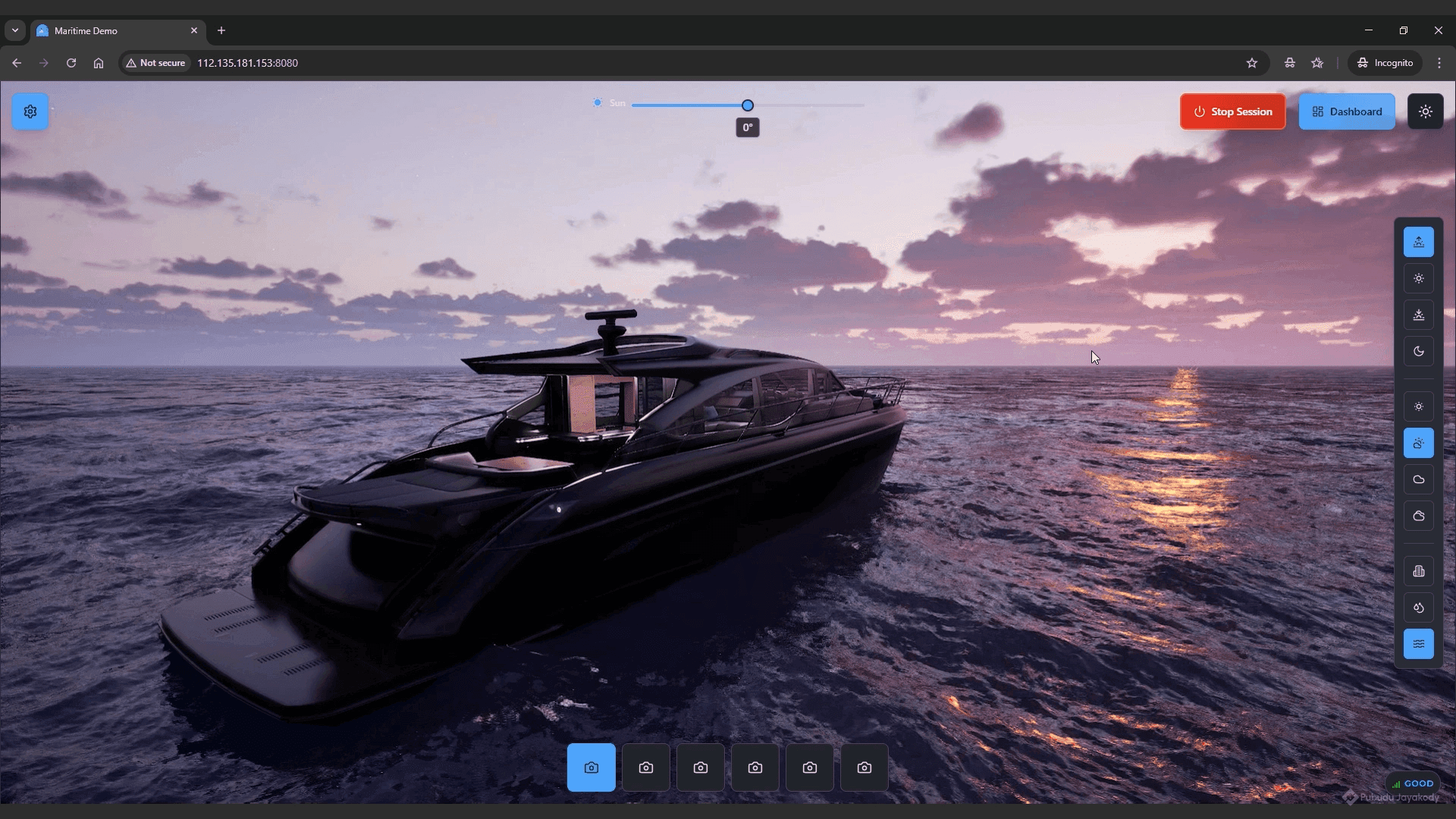
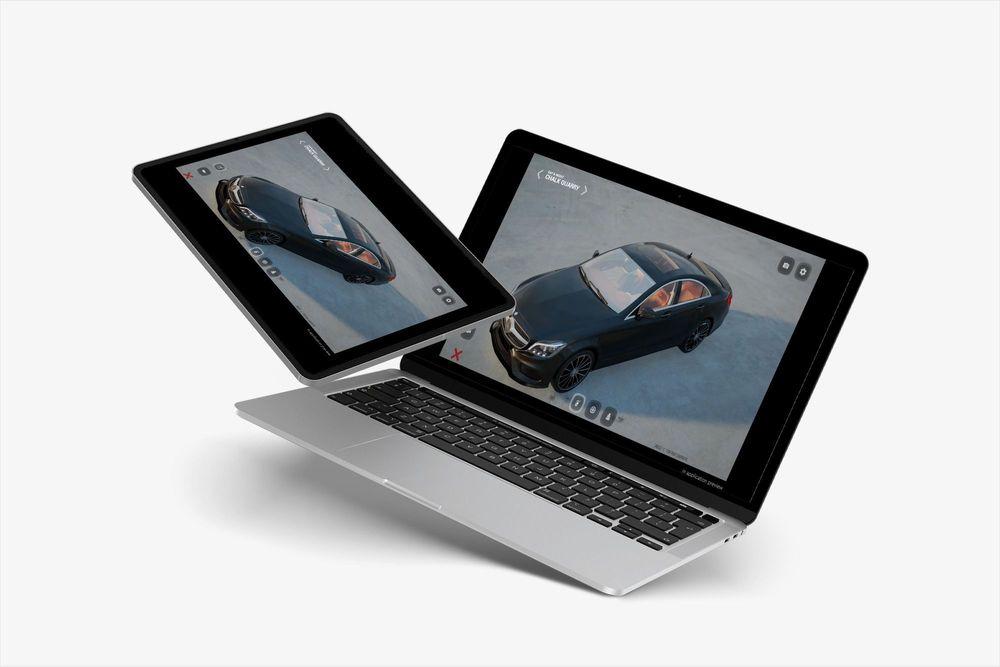
The real-time yacht configurator delivers high-fidelity maritime visualization and advanced simulation.
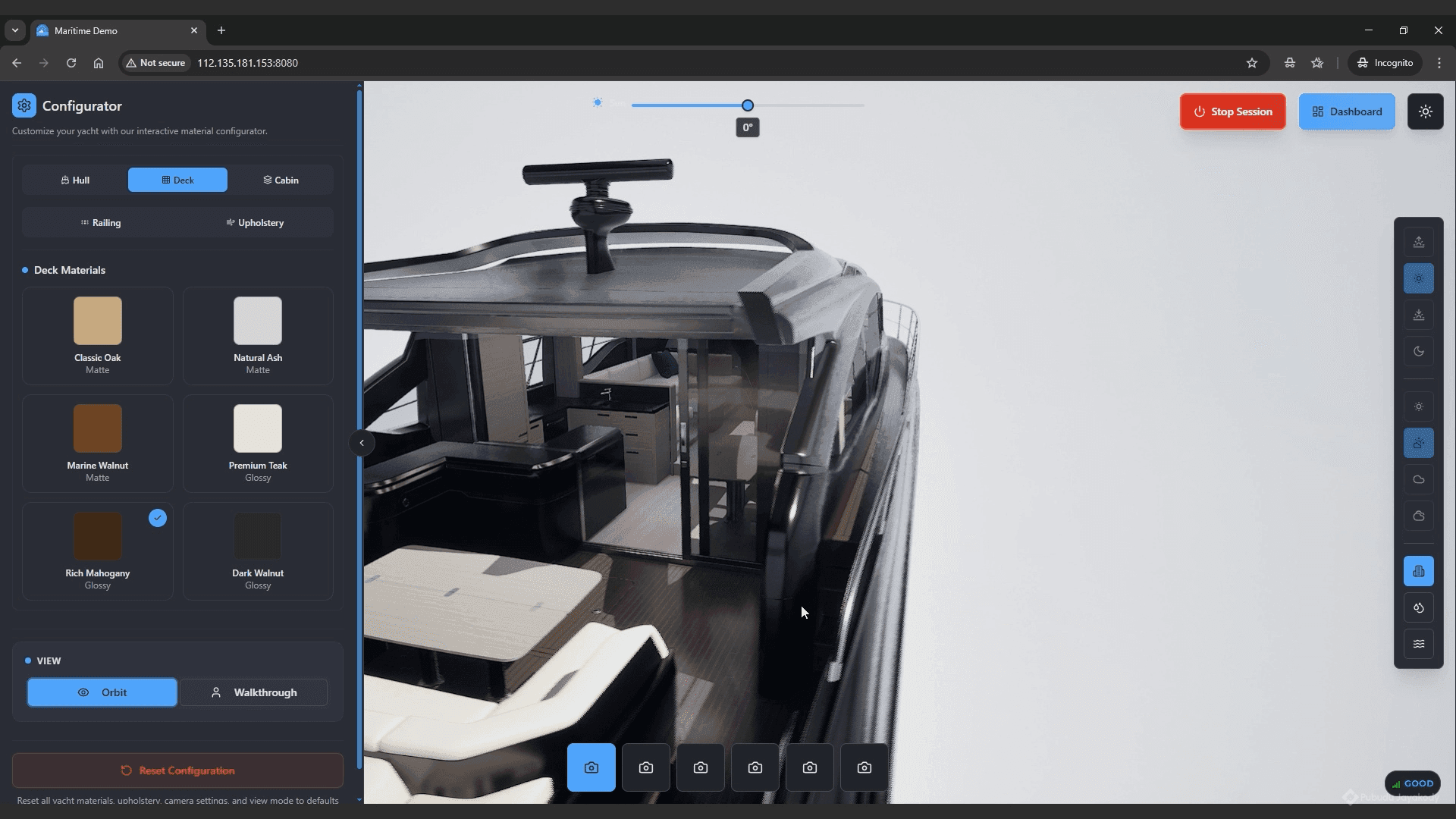
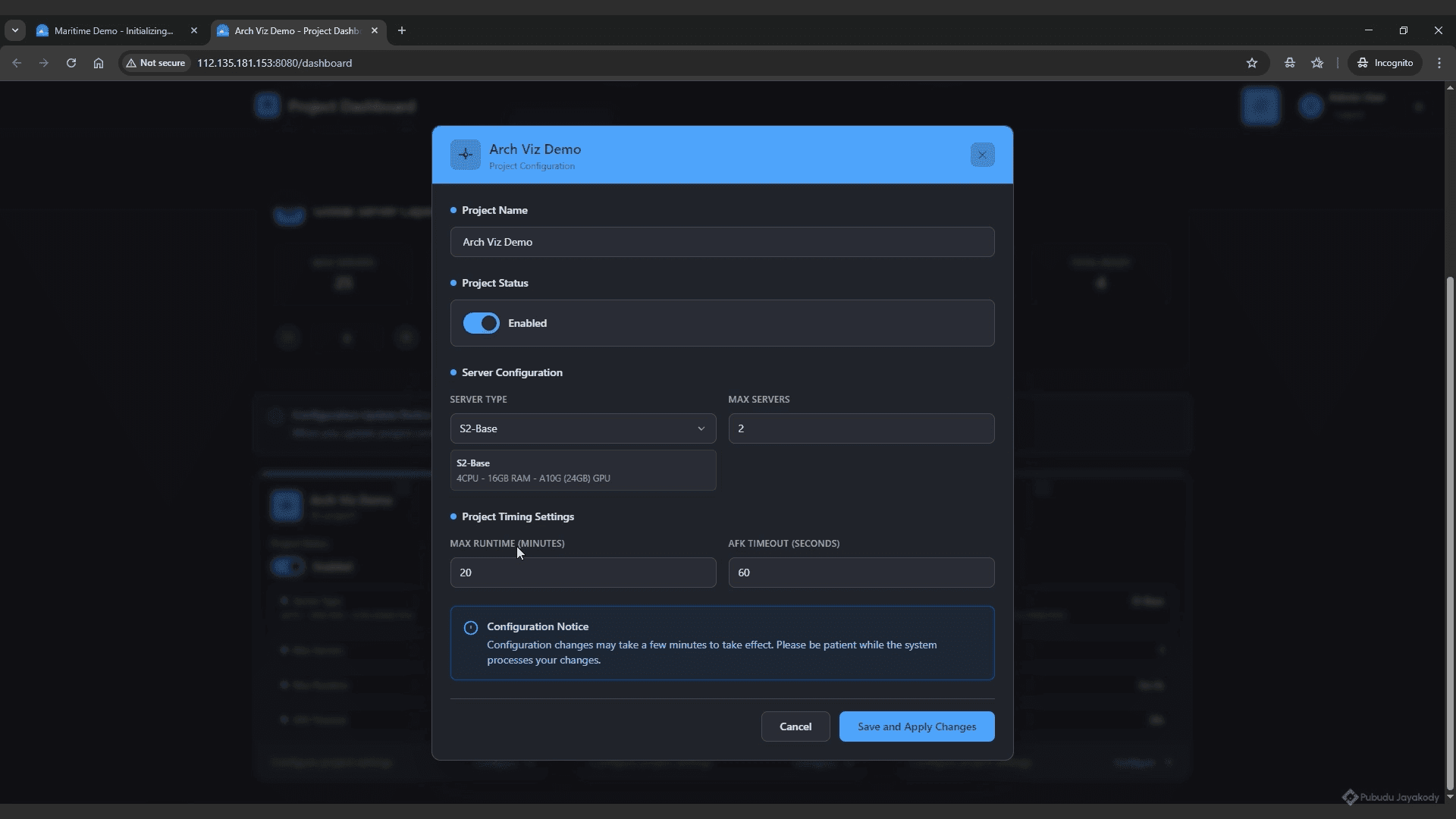
Imagine being able to design a luxury yacht from your laptop or tablet as if you were playing a high-end video game. This tool uses Unreal Engine (the same tech behind top-tier games) to create a lifelike experience where you can see how a boat actually moves and looks on the water. How it works: Realistic Physics: It accurately simulates how waves move and how the boat floats. Cloud-Powered: You don't need a powerful computer. The heavy lifting happens on Amazon’s (AWS) servers, so it runs smoothly in any web browser. Instant Changes: You can swap materials, change the lighting, or adjust the interior. Every change happens instantly with perfect reflections and detail. Why it’s useful: Instead of looking at flat 2D drawings or static photos, clients can "walk through" their yacht before it’s even built. It’s a powerful tool for: Design Reviews: Seeing how different materials look together. Sales & Showcases: Giving potential buyers a virtual "test drive." Easy Management: A simple dashboard helps the team keep everything running smoothly behind the scenes.
2023
The system is powered by Unreal Engine, which serves as the core visual and logic framework. It manages real-time rendering, advanced materials, dynamic lighting, and scene interactions with high fidelity. All visual output is generated directly within Unreal, ensuring consistent, high-quality performance across devices.
The frontend interface is built with React+Vite, delivering a fast, responsive, and modular user experience. User interactions are transmitted through Epic Games' Pixel Streaming layer, which streams Unreal's rendered output to the browser while relaying user input back to the application in real time.
The entire solution is hosted on AWS, supported by a purpose-built middleware layer that orchestrates traffic management, instance provisioning, and on-demand scaling. This architecture ensures reliable performance, optimized resource utilization, and seamless support for multiple concurrent users, without requiring high-performance hardware on the client side.
Assets: Assets were processed as needed using Houdini, with additional elements sourced from Megascans and the Unreal Marketplace.
► Shader Development: Shader workflows were developed with a strong emphasis on performance, leveraging compute shaders, particularly for the ocean simulation and its related components wherever advantageous to minimize load on streaming servers. Materials were designed to remain procedural, enabling real-time adjustments through the configuration system without requiring recompilation or heavy processing.
► Lighting & Rendering: Lighting and rendering were powered primarily by Lumen, with hardware ray tracing enabled to achieve the highest possible visual fidelity. The pipeline was carefully optimized to ensure full Vulkan compatibility while maintaining stable, consistent performance.
► Configurator Scripts: The interaction layer was designed to fully support real-time configuration, enabling instant updates to assets, materials, and layout changes without interrupting the experience. It also manages the structured data exchange between Unreal Engine and the frontend, ensuring seamless synchronization between the visual environment and the user interface.
► Binary Deployment: The final application was packaged for Linux with Vulkan, specifically tuned for Linux-based infrastructure to maximize reliability, scalability, and consistently high performance under heavy concurrent load.
The UI/UX layer was developed as a standalone web application built with React, enabling complete flexibility in layout, styling, and interaction design beyond the constraints of Unreal Engine’s native UI framework. The interface communicates with the configurator through a WebSocket connection, exchanging structured JSON data via the Pixel Streaming plugin to trigger real-time updates within the Unreal visualization layer.
By decoupling the user interface from Unreal and delivering it as a web-based application, the system achieves greater design freedom, faster iteration cycles, and a more refined, modern user experience, while maintaining responsive, real-time control over all configuration features.
 Housing
 Architect
 Development
 Visualisation
 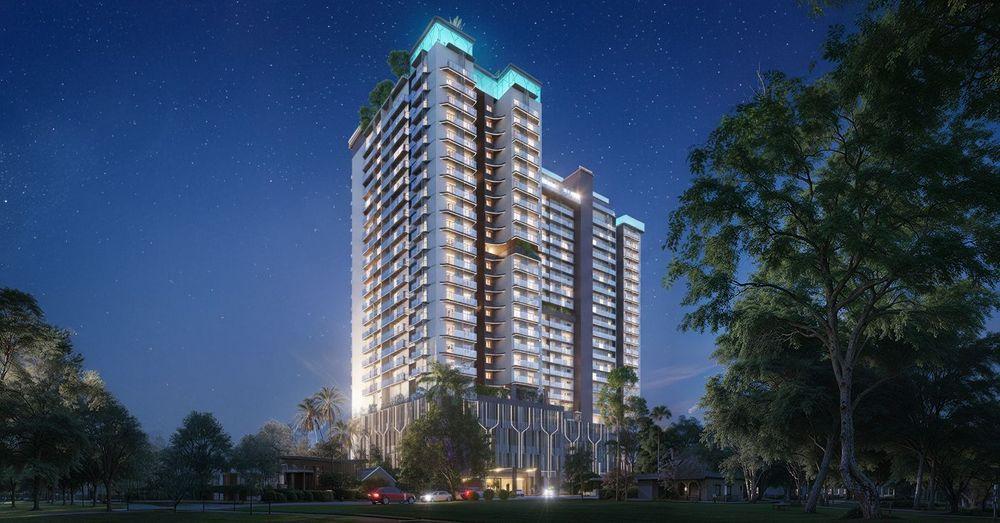 Development
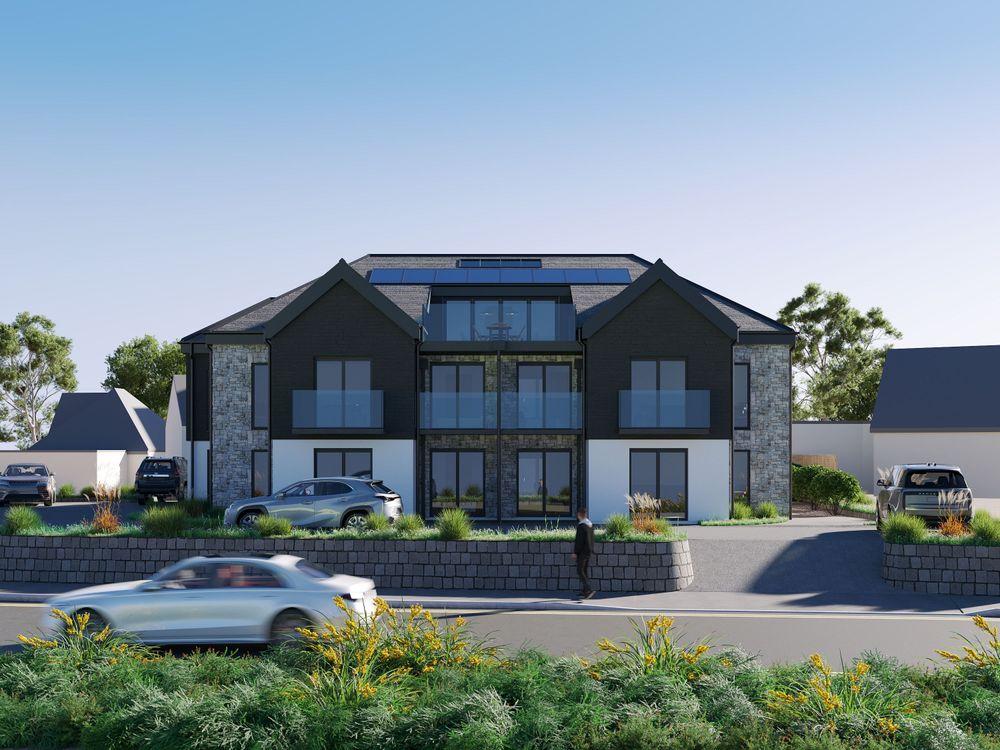 THE KALLACLIFF
 Architect
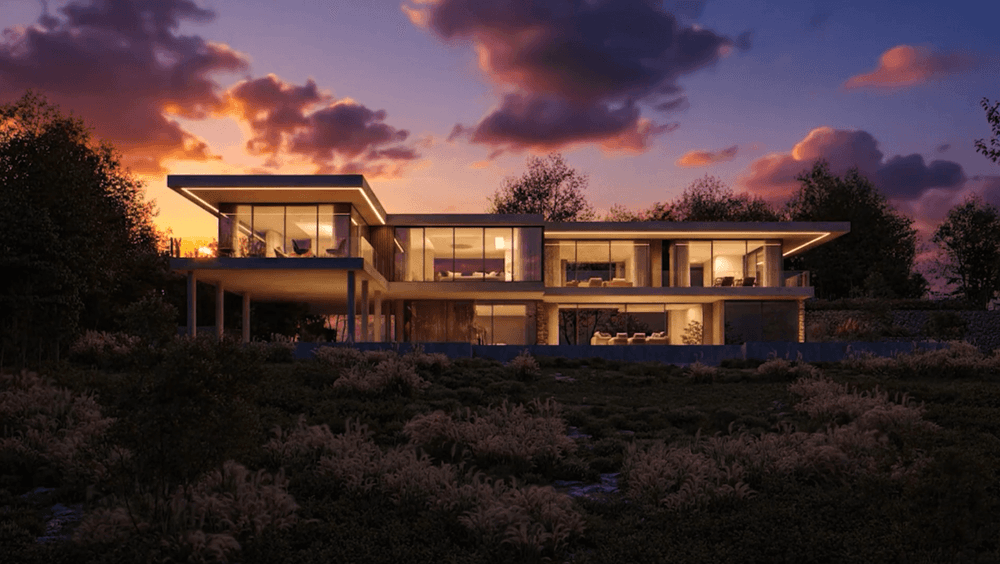 Architect
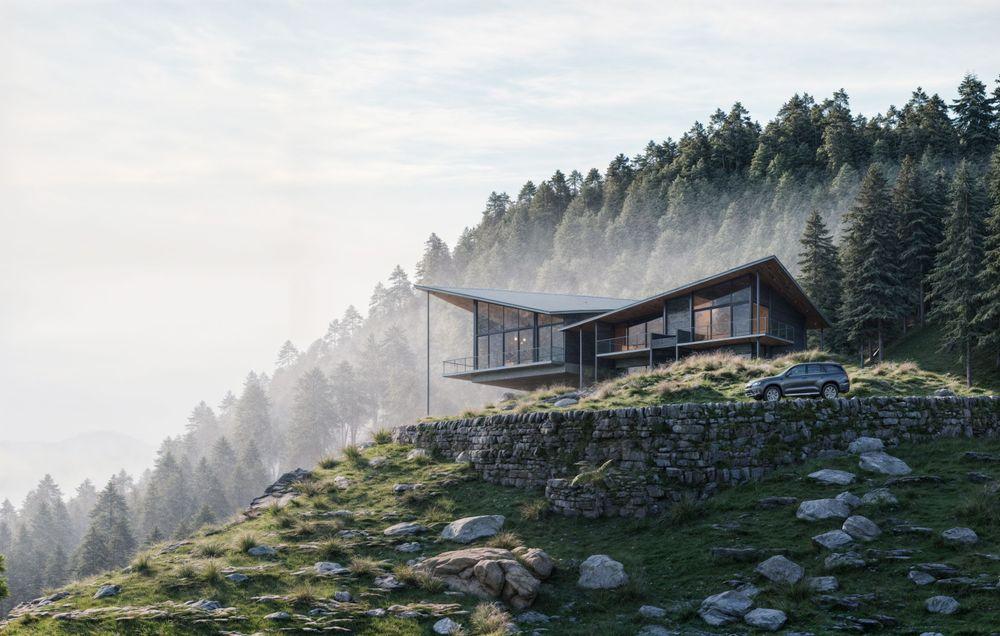 Architect
 Construction
 Development
 Construction
 Architect
 Architect
  Development
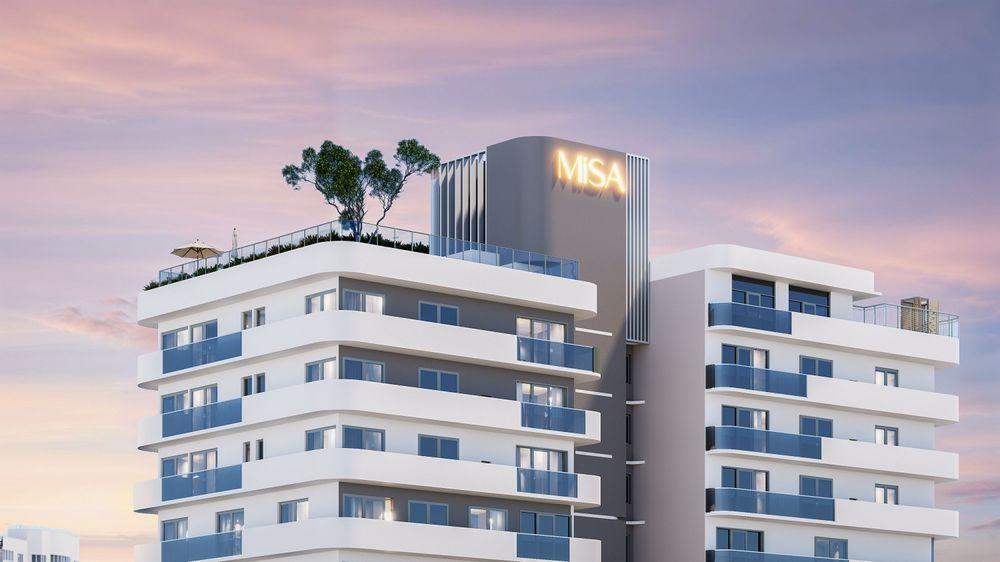
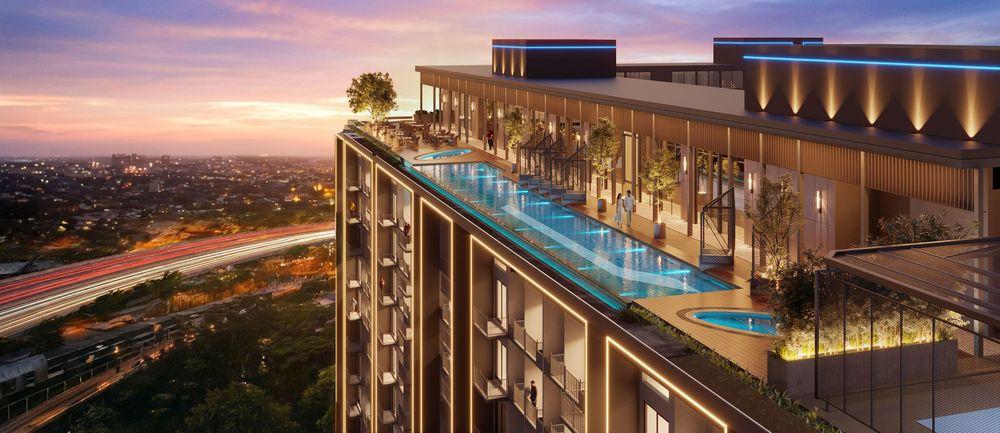
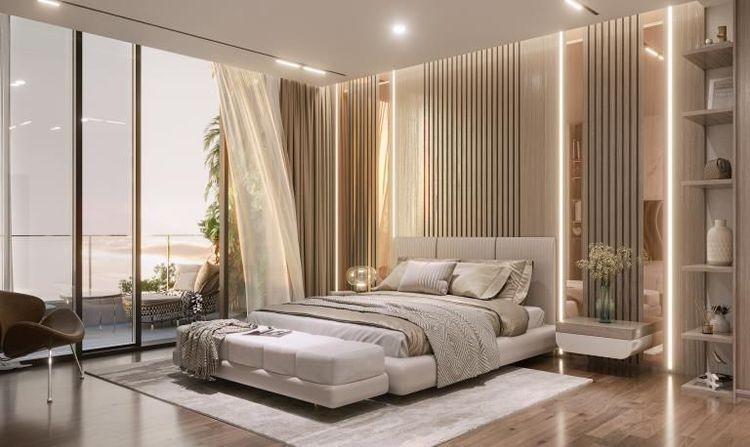
Luxury Apartment Visualisation
See More Architect
 Architect
 Architect
 Furniture
 Architect
 Advance Engineering
 Architect
 Construction
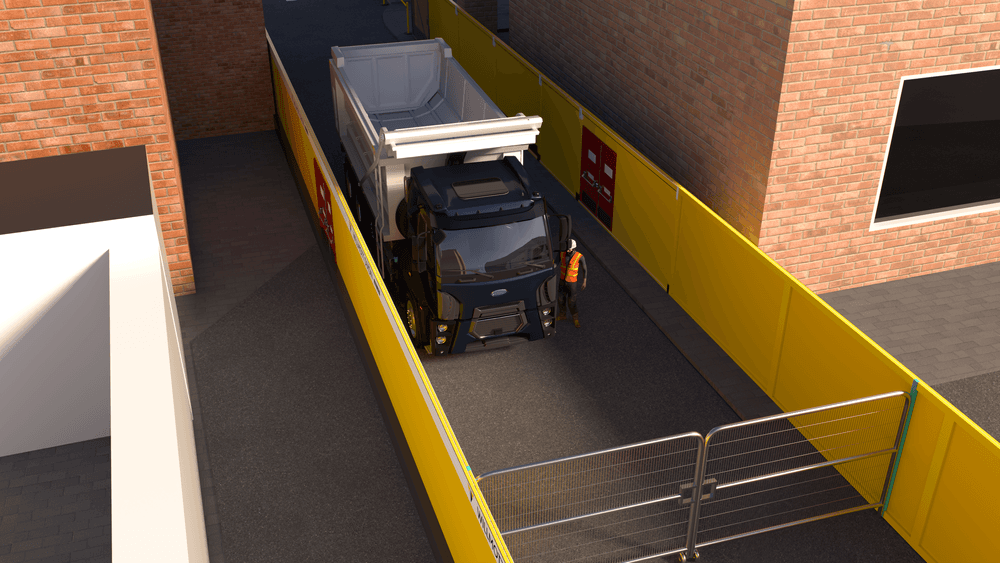
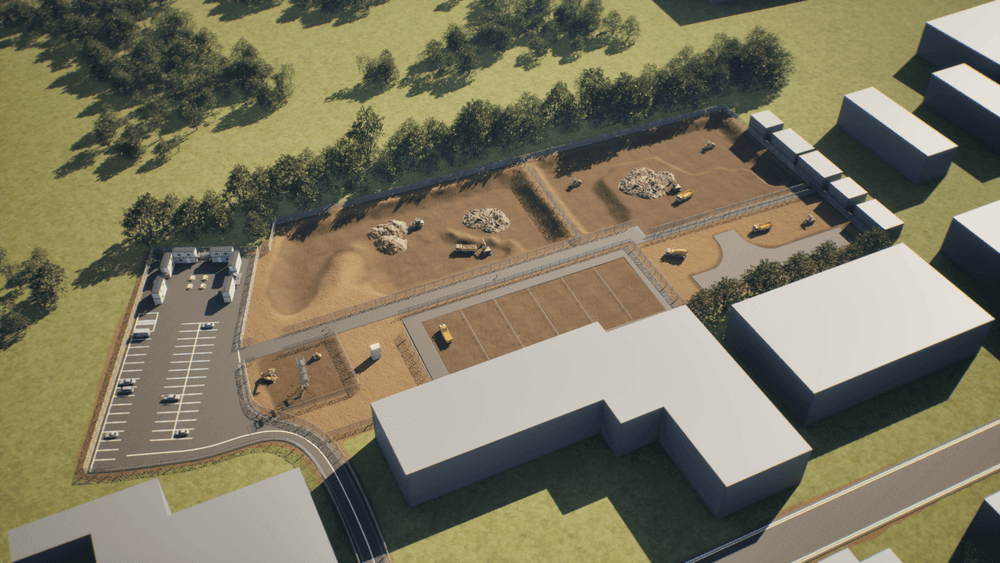
Construction Logistic Plan Visualisation
See More Surface
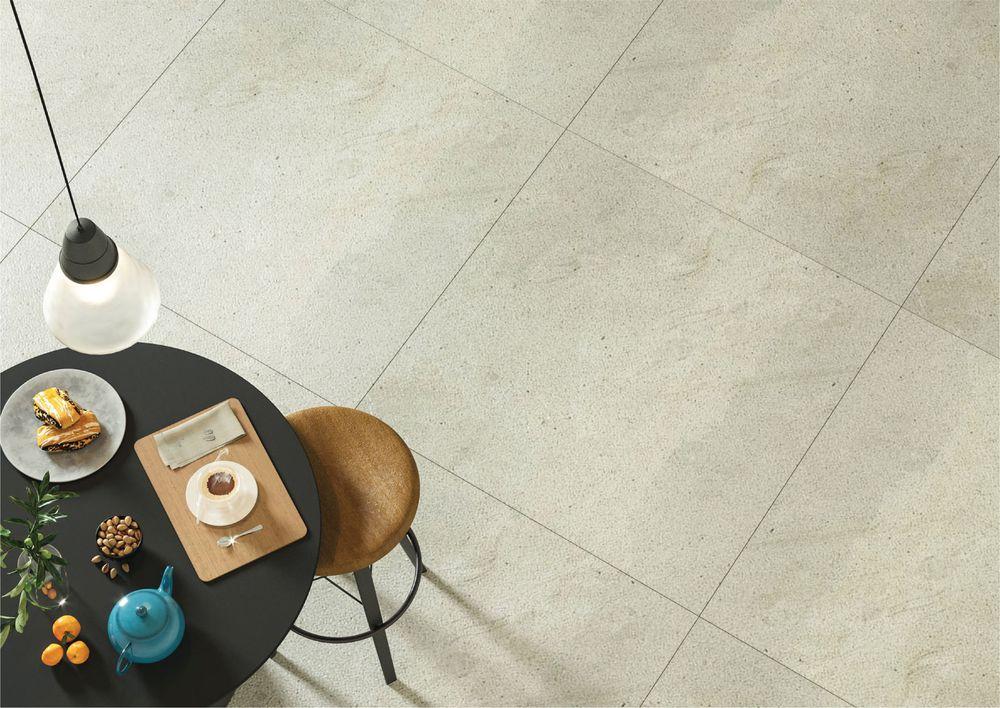 Surface
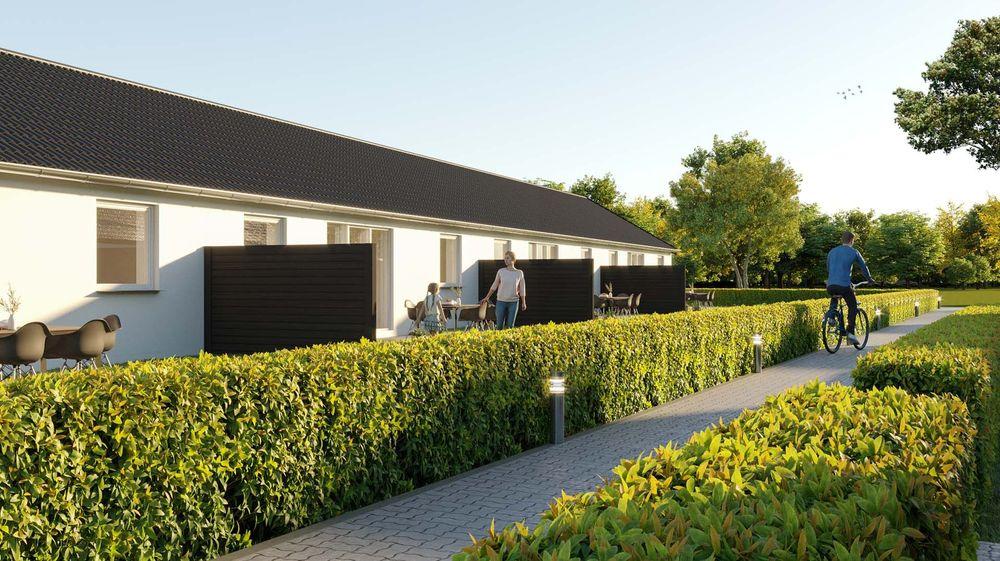 Housing
Denmark Housing Project
See More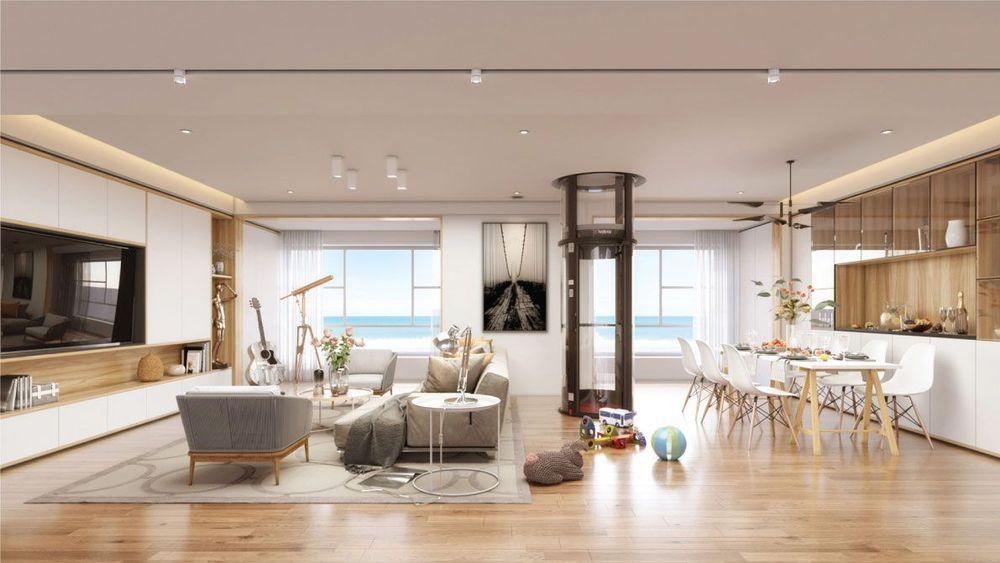 Architect
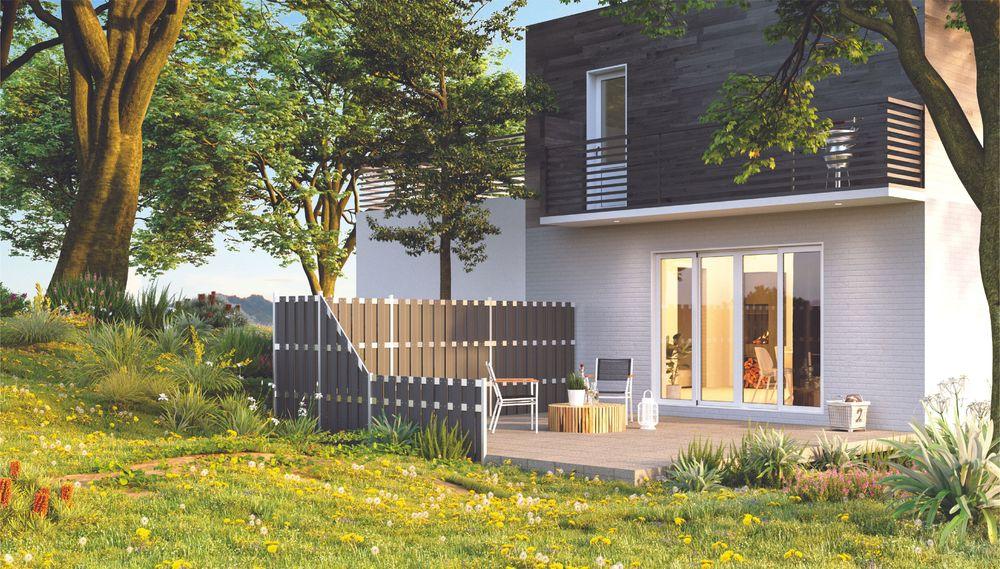 Architect
 Property Development
 Property Development
 Rail & Transport
 Architect
 Energy Sector
Stay updated with our latest news and services by being an exclusive member of the Dynamic X community.